
Slot machines are a cornerstone of online and land-based casinos, but not all slots are created equal. Classic and video slots differ in design, gameplay, and payout structures, which affects the value they offer to players. Understanding these differences helps players choose games that match their goals, risk tolerance, and entertainment preferences.
Key Differences Between Classic and Video Slots
Classic slots are inspired by traditional fruit machines. They usually feature 3 reels, a limited number of paylines, and straightforward gameplay. Payouts tend to be predictable, and bonus features are minimal.
Video slots, on the other hand, use 5 or more reels, multiple paylines, and complex bonus mechanics such as free spins, multipliers, or interactive mini-games. They often incorporate advanced graphics, sound effects, and themed storytelling. While visually appealing, the additional features can affect volatility and expected returns.
Gameplay Features Comparison
- Classic slots: Simple rules, easy to understand, fewer distractions.
- Video slots: Feature-rich, immersive, higher potential for big wins through bonuses.
- Paylines: Classic slots often have 1–5; video slots can have 20–100+.
- Volatility: Video slots tend to have higher variance due to bonus structures.
Players should consider how much risk they are willing to accept versus the entertainment and potential payout complexity.
Evaluating Player Value
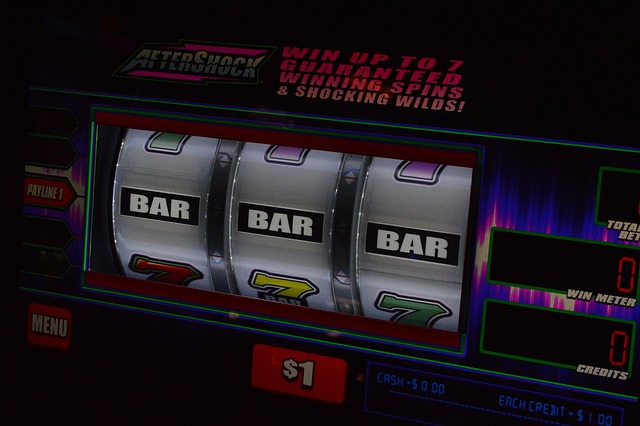
Value in slot machines can be measured in terms of return-to-player (RTP), entertainment, and risk. Classic slots usually have stable RTPs and low volatility, meaning steady but smaller wins. Video slots may offer higher jackpots but with less frequent payouts.
Players seeking consistent play and extended sessions may find classic slots offer better “value” for bankroll longevity. Those chasing excitement and large, infrequent wins might prefer video slots despite higher risk.
Value Factors Checklist:
- RTP percentage: Higher is generally better for expected returns.
- Volatility: Lower for consistent wins, higher for big jackpots.
- Entertainment factor: Visuals, themes, and bonus features.
- Session length: Classic slots often allow longer play with small bets.
Risk and Reward Trade-Offs
The choice between classic and video slots depends heavily on risk appetite. Video slots can be rewarding but may deplete bankrolls quickly during dry spells. Classic slots are predictable, but payouts rarely reach the heights of video slot jackpots.
Operators often balance this by offering both types within the same platform, allowing players to switch depending on mood, bankroll, or session goals. Understanding volatility and expected payout helps players manage strategy and avoid frustration.
Trade-Off Table:
| Slot Type | RTP & Payout Frequency | Entertainment Level | Best For |
|---|---|---|---|
| Classic Slots | Moderate RTP, frequent wins | Low-moderate | Steady play, beginners |
| Video Slots | Moderate-high RTP, infrequent wins | High, immersive | Thrill-seekers, big jackpots |
This comparison helps players evaluate which type aligns with their objectives and preferred gaming experience.
Tips for Maximizing Value

Players can optimize value by combining strategy with game knowledge:
- Check RTP percentages and choose higher RTP machines when possible.
- Match volatility to bankroll size to avoid running out of funds quickly.
- Experiment with both classic and video slots to identify personal preference.
- Set limits for session length and spend, especially on high-volatility video slots.
Rule of Thumb
Classic slots offer better value for risk-averse players seeking longer, steady play, while video slots reward those willing to embrace higher volatility for bigger jackpots and entertainment features. Smart players evaluate both options, balancing thrill, risk, and expected returns to maximize overall satisfaction.