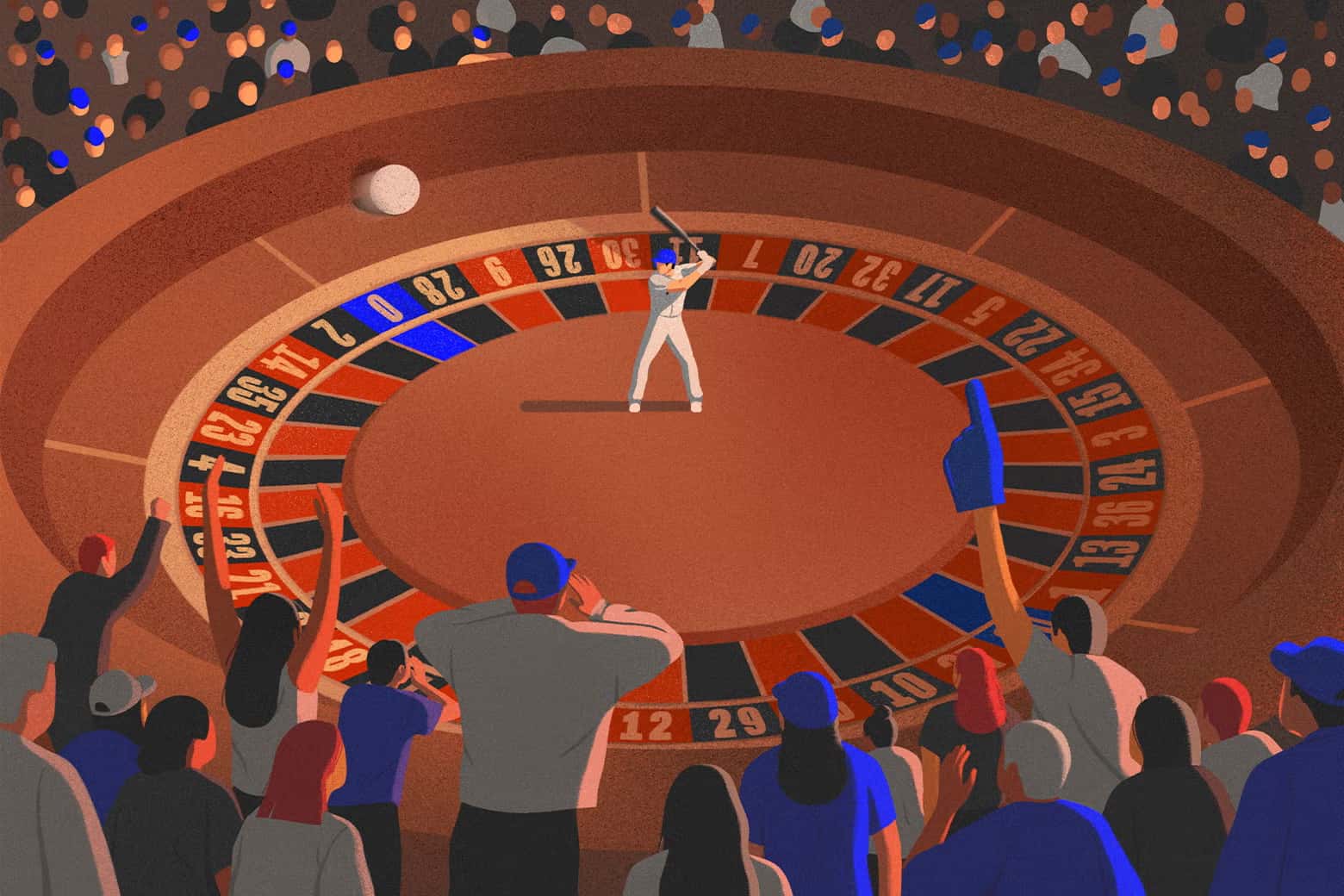
The Unspoken Shame Of Betting After A Bad Day At Work
Across long workweeks, stressful days stack up fast. Some people leave the office feeling drained, angry or disappointed. During these low moments, the mind searches for a quick way to feel better. For some, betting becomes that escape. But when things go wrong, the shame that follows sits heavy and quiet. This hidden feeling is more common than many admit.
Why A Tired Mind Slips Toward Quick Bets
Inside homes after a long day, people open their phones, scroll through match lists and check up apps like 20Bet which they are already used to without thinking much. The action feels easy. It feels fast. It feels like something small that can help them forget the stress for a few minutes.
In this tired state, judgement becomes soft. People place bets they would never consider on a calm day. When the bet loses, the shame hits quickly because deep down they knew they were not thinking clearly.
How Work Stress Creates A Quiet Emotional Trap
Across different workplaces, pressure builds in slow ways. A boss may speak harshly. A task may fail. A long shift may drain someone’s energy. When the person finally gets home, silence makes the stress feel louder.
Betting steps in as a short distraction. It gives the mind something sharp to focus on. But once the moment passes, the person realises they were not betting for fun. They were trying to run from a feeling. This realisation brings guilt, not relief.
Why People Hide These Bets From Others
Inside group chats or homes, people pretend everything is fine. They hide their bad-day bets because they do not want others to see that one moment of weakness. They worry that someone will say they should have known better. They fear looking careless.
Even people who bet often still hide these stress bets because they see the difference. A calm bet feels normal. A stress bet feels personal. So they keep it quiet. The silence becomes part of the shame.
Why Shame Makes The Situation Even Worse

Across quiet evenings after a loss, the shame grows deeper because the person has no space to talk about it. They blame themselves. They replay the mistake. They promise they will never do it again, but the stress of work continues the next day.
Shame also stops people from asking for help or setting healthy limits. They carry the burden alone, even though talking could break the cycle.
How People Can Break Free From This Pattern
Inside homes where this pattern happens, small changes can help. A short walk after work gives the mind space to settle. Talking to a friend or writing down the stress helps clear the head. Taking a break from betting on heavy days creates safety. Humans rely on habits. When those habits shift toward calmer choices, the shame slowly fades.
This Hidden Problem Shows How Stress Shapes Betting
Bad workdays touch people deeply. Even small choices get shaped by tired emotions. Betting is not the real problem. The stress behind it is. When people understand this, they can start to approach betting with a clearer mind and a calmer heart. The shame only grows in silence, but it also fades when someone faces the truth with honesty.
You may also like

Leave a Reply