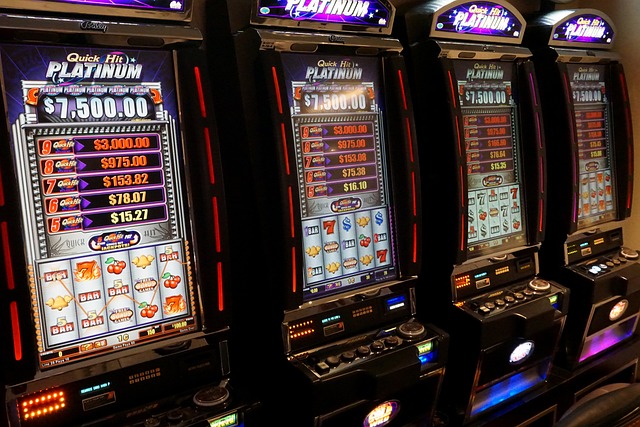
How Mobile Slots Differ from Desktop Slot Games
Slot games are a staple of online casinos, but the experience differs significantly between mobile and desktop platforms. While the core mechanics remain the same, device capabilities, interface design, and player behavior influence gameplay, payouts, and overall engagement. Understanding these differences helps players choose the platform that best suits their style and goals.
Interface and Design Considerations
Mobile slots are designed for smaller screens, touch interaction, and on-the-go play. Developers simplify layouts, minimize clutter, and optimize controls for taps and swipes. Desktop slots, by contrast, benefit from larger screens, precise mouse control, and more immersive graphics.
The difference in interface can affect player perception and strategy. Mobile slots often focus on quick sessions, while desktop slots encourage longer, more immersive play. Developers adjust animations, bonus triggers, and payline displays to fit each platform.
Platform Features Comparison
- Screen size: Mobile slots use compact layouts; desktop slots offer expansive visuals.
- Controls: Touch-based versus mouse/keyboard inputs.
- Game complexity: Mobile may simplify bonus mechanics for usability.
- Session length: Mobile encourages shorter sessions; desktop supports extended gameplay.
These distinctions influence not only convenience but also player engagement and risk-taking patterns.
Performance and Technical Differences

Mobile and desktop platforms differ in processing power, graphics rendering, and network requirements. Desktop devices handle high-definition graphics and fast animations more reliably, while mobile devices optimize for battery life and internet stability.
Streaming quality and loading times are particularly important for video slots or live casino-style games. Mobile players may experience minor delays, requiring developers to optimize coding and compress media without compromising gameplay integrity.
Performance Checklist for Players:
- Ensure a stable internet connection to reduce lag.
- Keep device software updated to prevent crashes.
- Adjust graphics settings on mobile if animations slow gameplay.
- Use Wi-Fi over mobile data for high-speed sessions and lower latency.
Gameplay and User Experience
The mobile environment encourages quick, casual play. Sessions are often shorter, bets may be smaller, and games are designed for instant engagement. Desktop players tend to engage in longer sessions, explore multiple game features, and place larger bets.
This difference affects bankroll management and player strategy. Mobile slots are ideal for low-risk, short-term entertainment, while desktop slots cater to high-immersion experiences and strategic gameplay.
Comparison Table:
| Feature | Mobile Slots | Desktop Slots |
|---|---|---|
| Screen & Controls | Compact, touch-based | Large, mouse/keyboard |
| Graphics & Animation | Optimized for performance | High-definition, full detail |
| Session Length | Short, casual | Longer, immersive |
| Betting Behavior | Smaller bets, frequent sessions | Larger bets, strategic play |
| Convenience | On-the-go, anytime | Fixed location, focused play |
This table highlights how platform choice can shape the overall slot gaming experience.
Tips for Players

- Match platform to playstyle: mobile for short, casual sessions; desktop for immersive, strategic play.
- Monitor session length and budget, especially on mobile where fast play can lead to unnoticed losses.
- Choose games optimized for your device to avoid glitches or delays.
- Take advantage of platform-specific bonuses, such as mobile-only promotions.
Conclusion
While mobile and desktop slots share core mechanics, differences in interface, performance, and player behavior make each platform unique. Understanding these distinctions allows players to select the right environment for their goals, whether seeking quick, casual fun or deep, strategic engagement.
You may also like

Leave a Reply